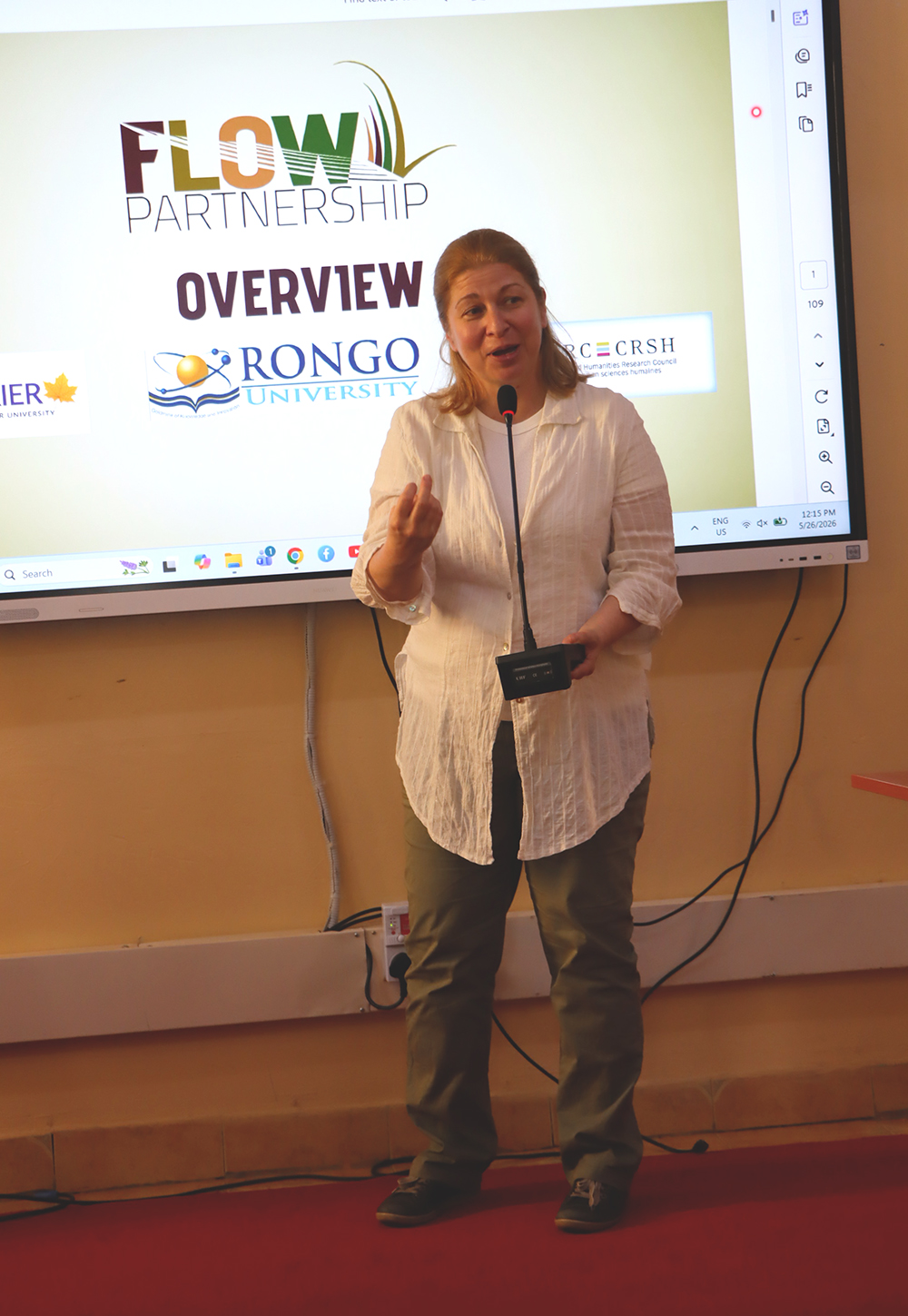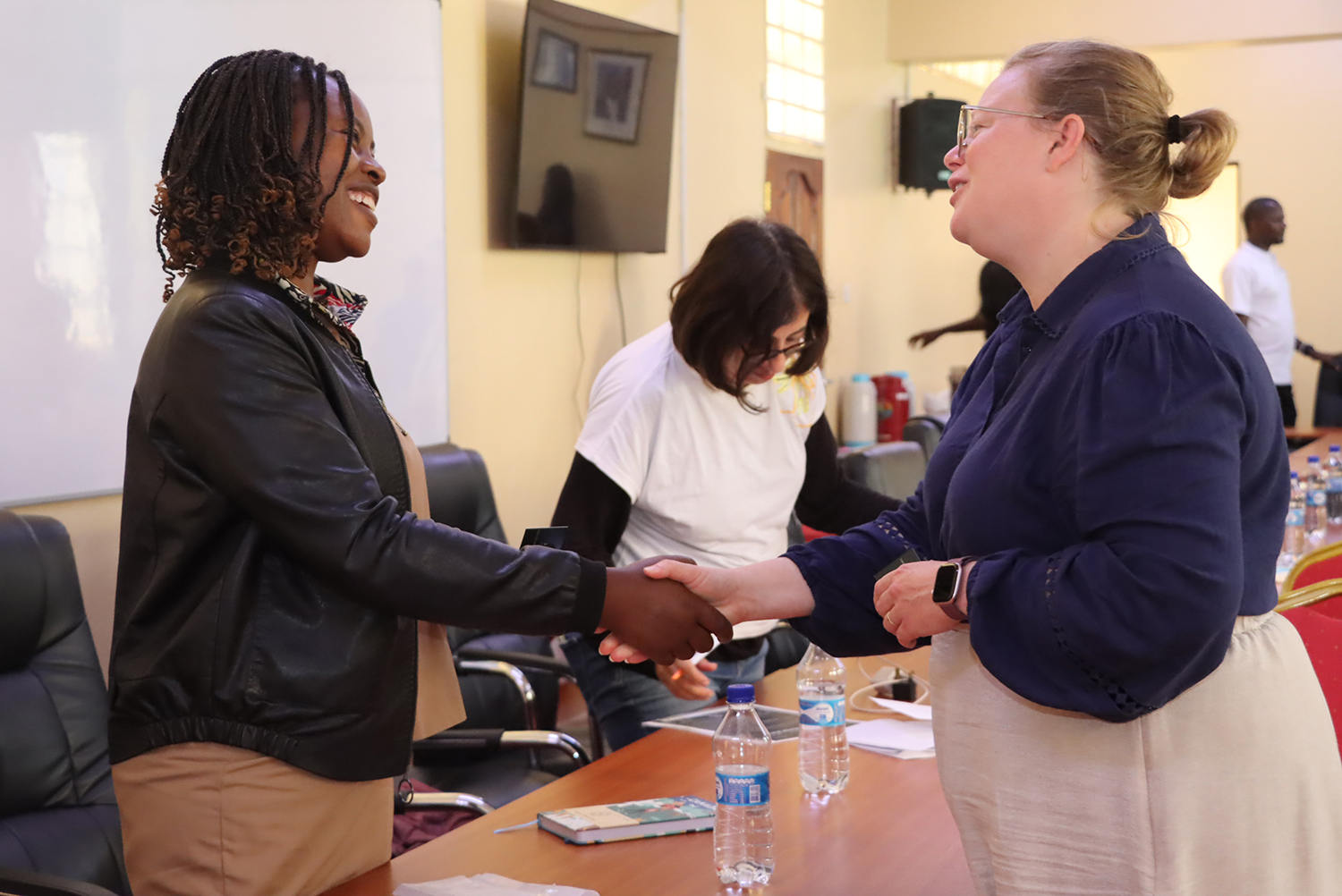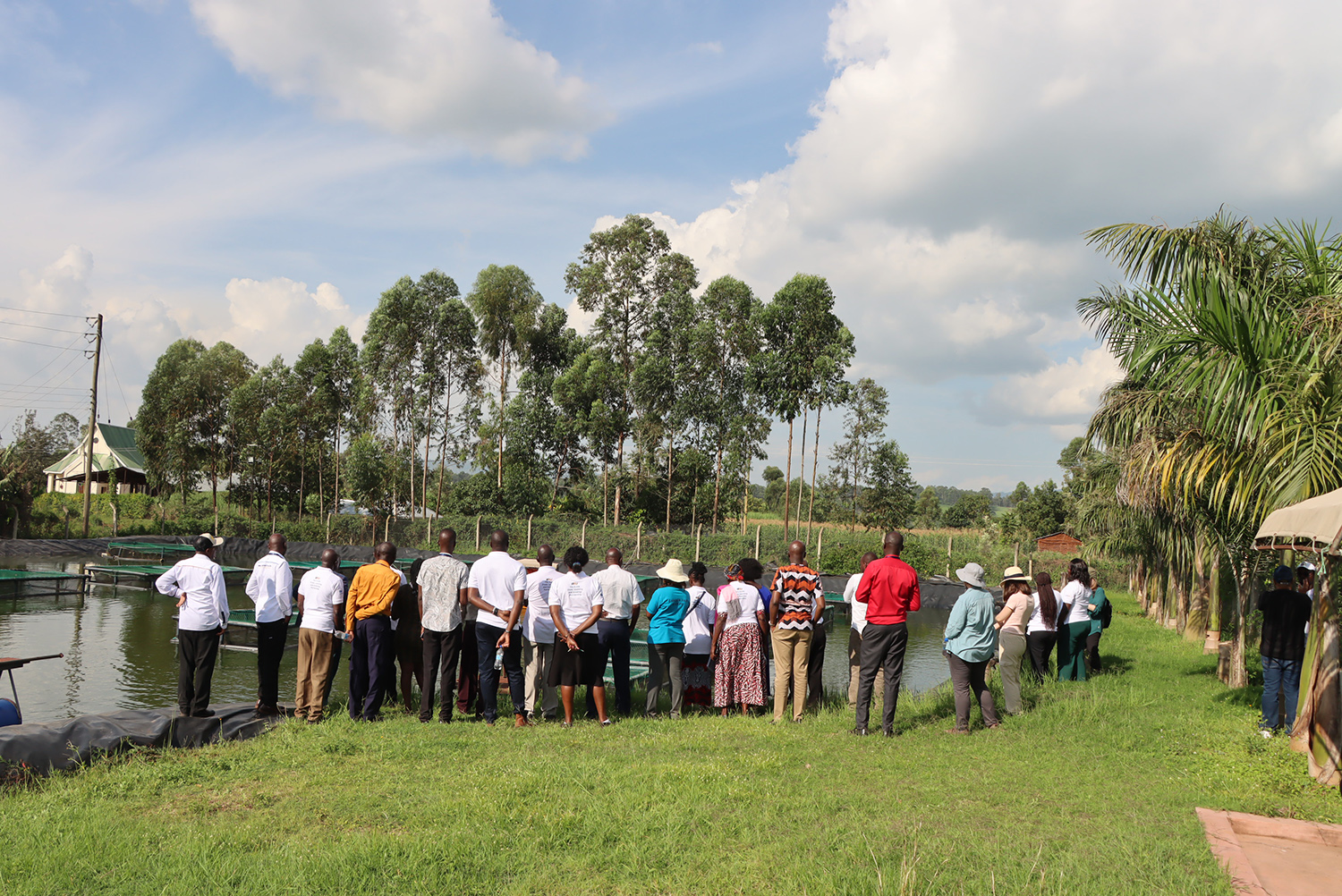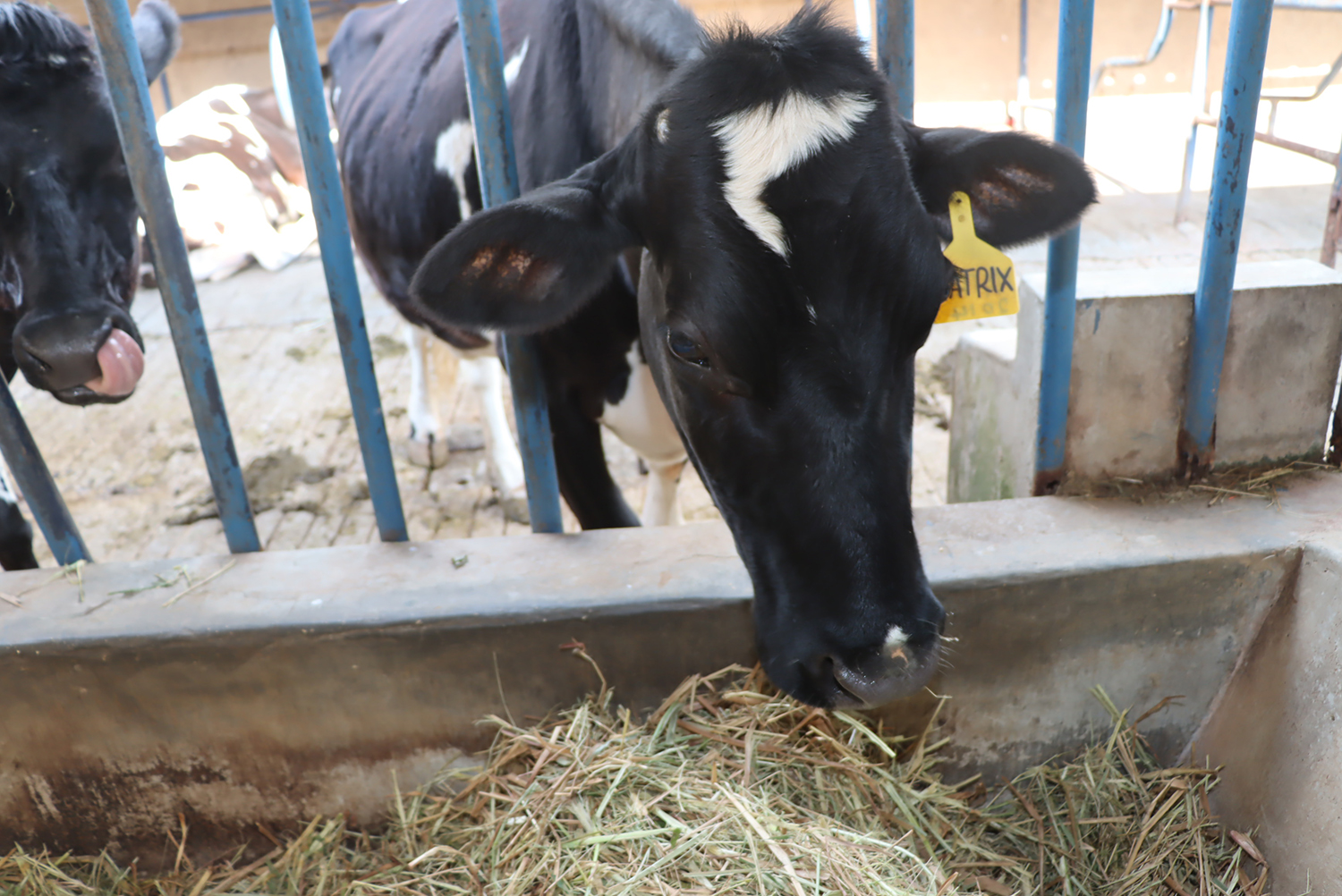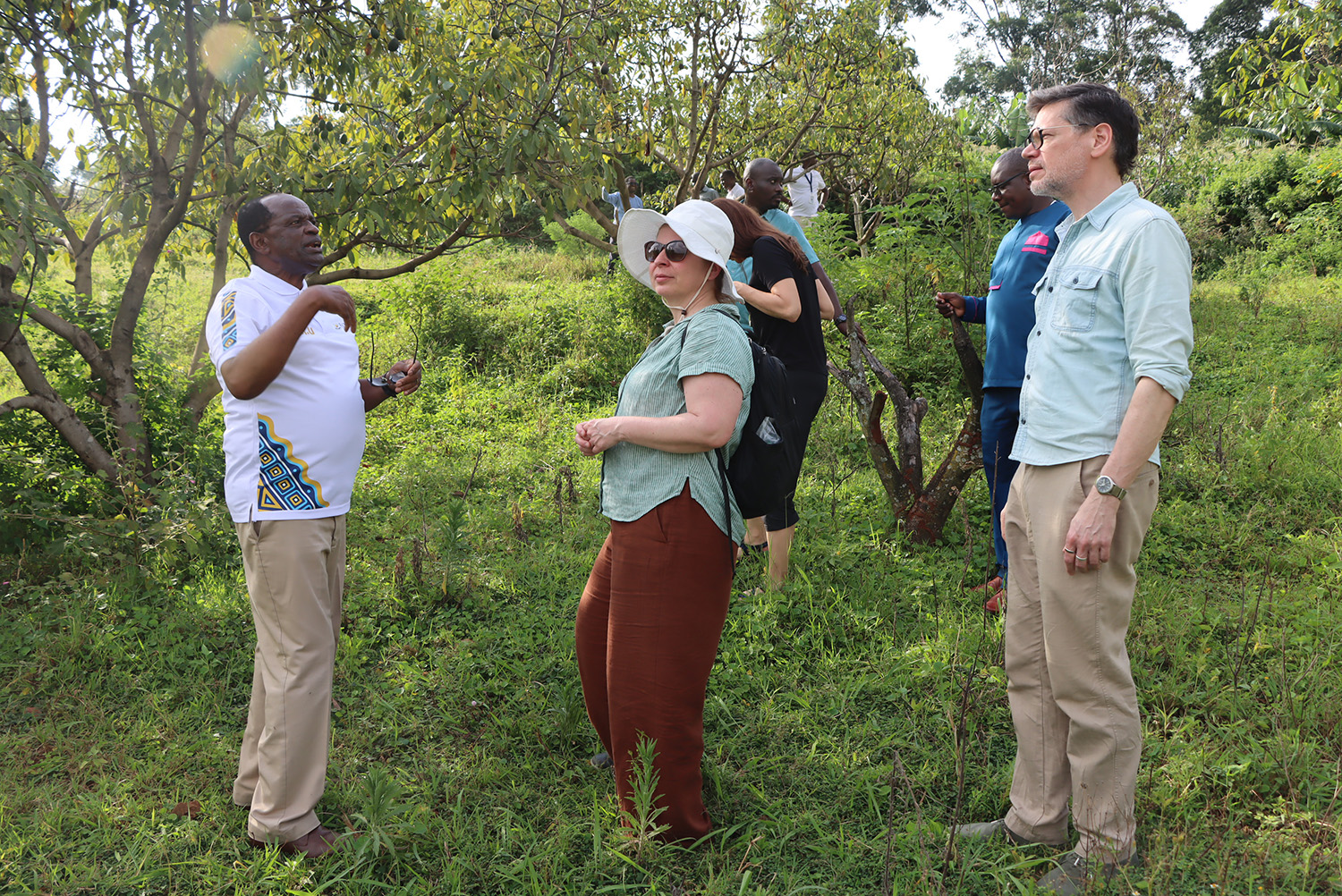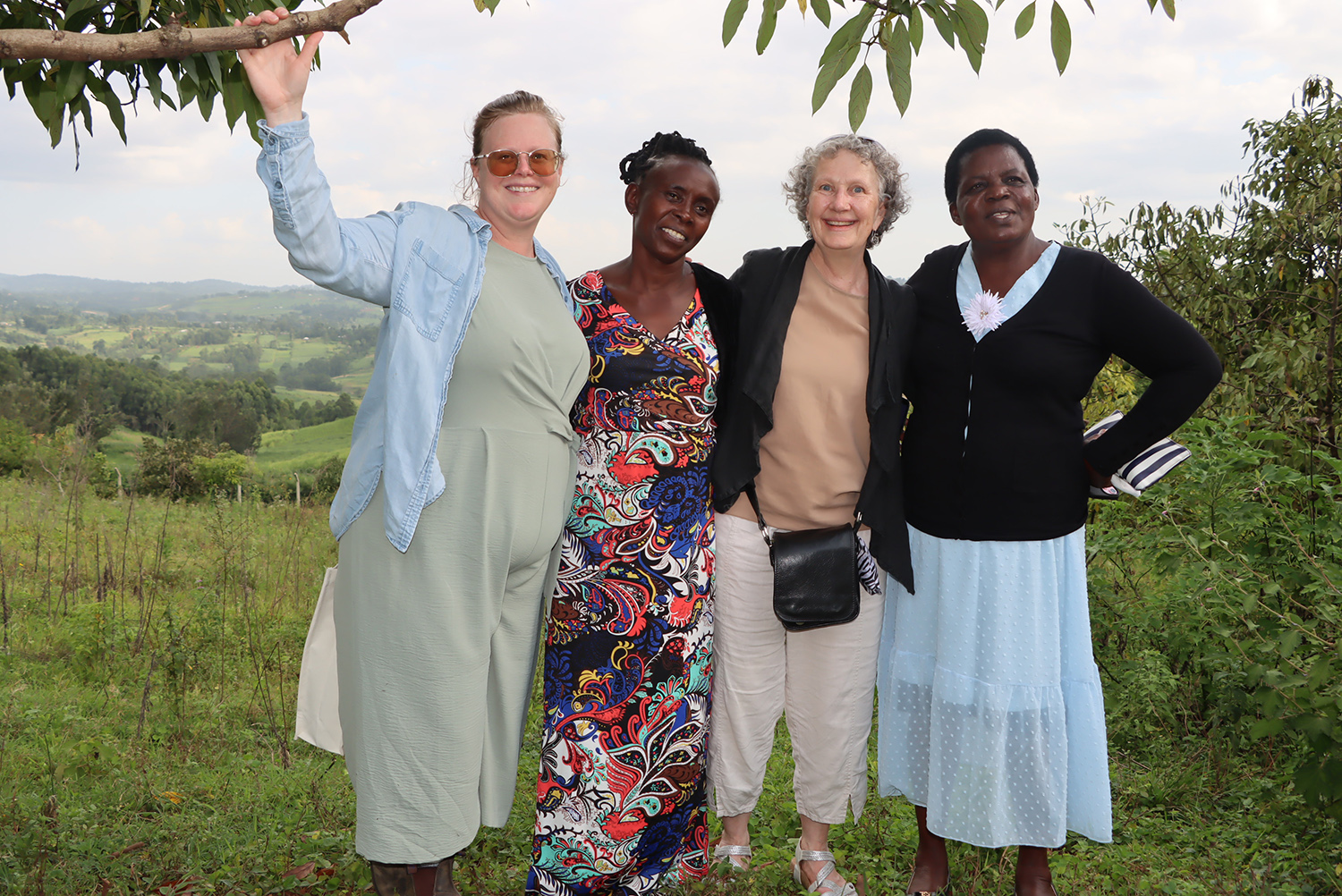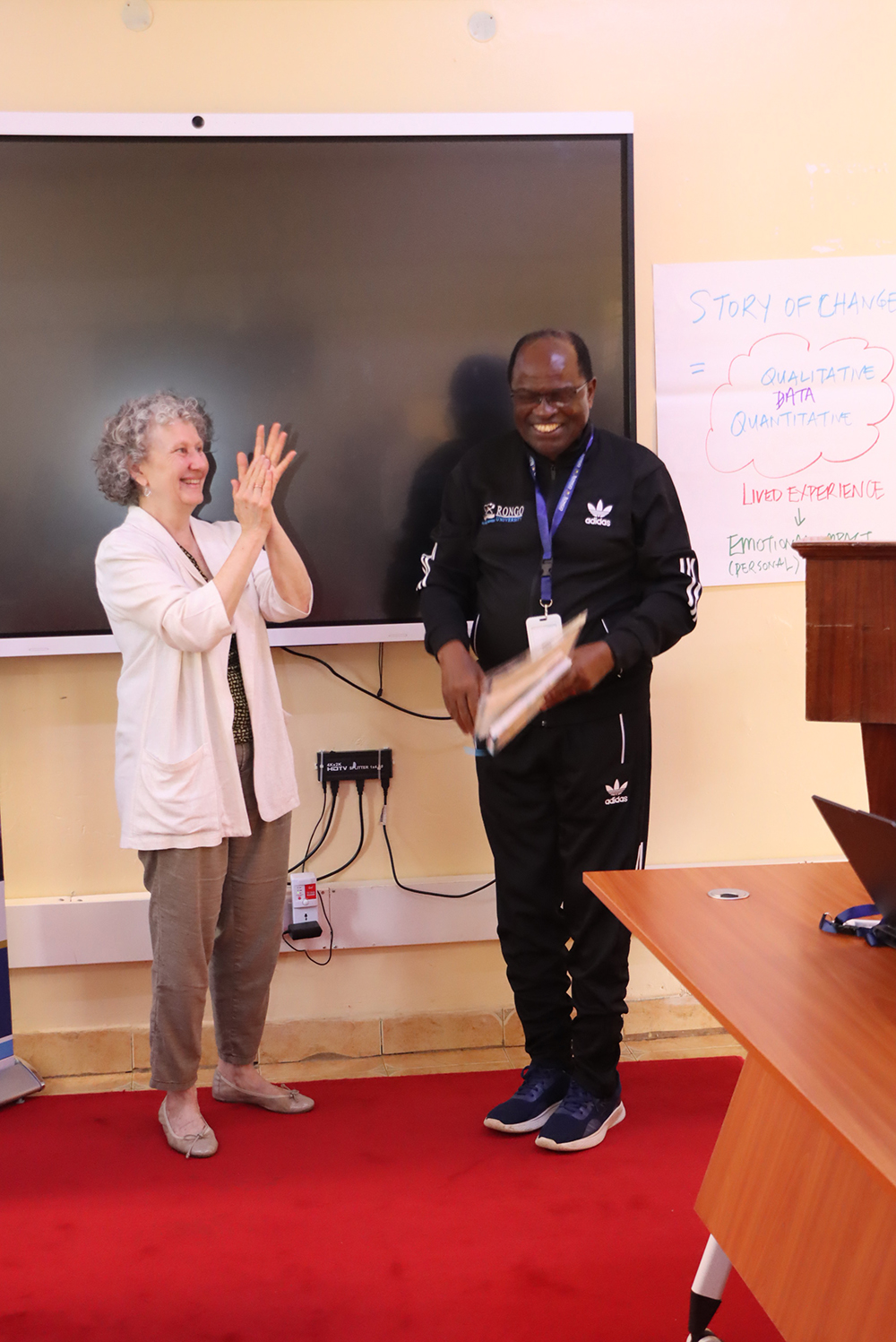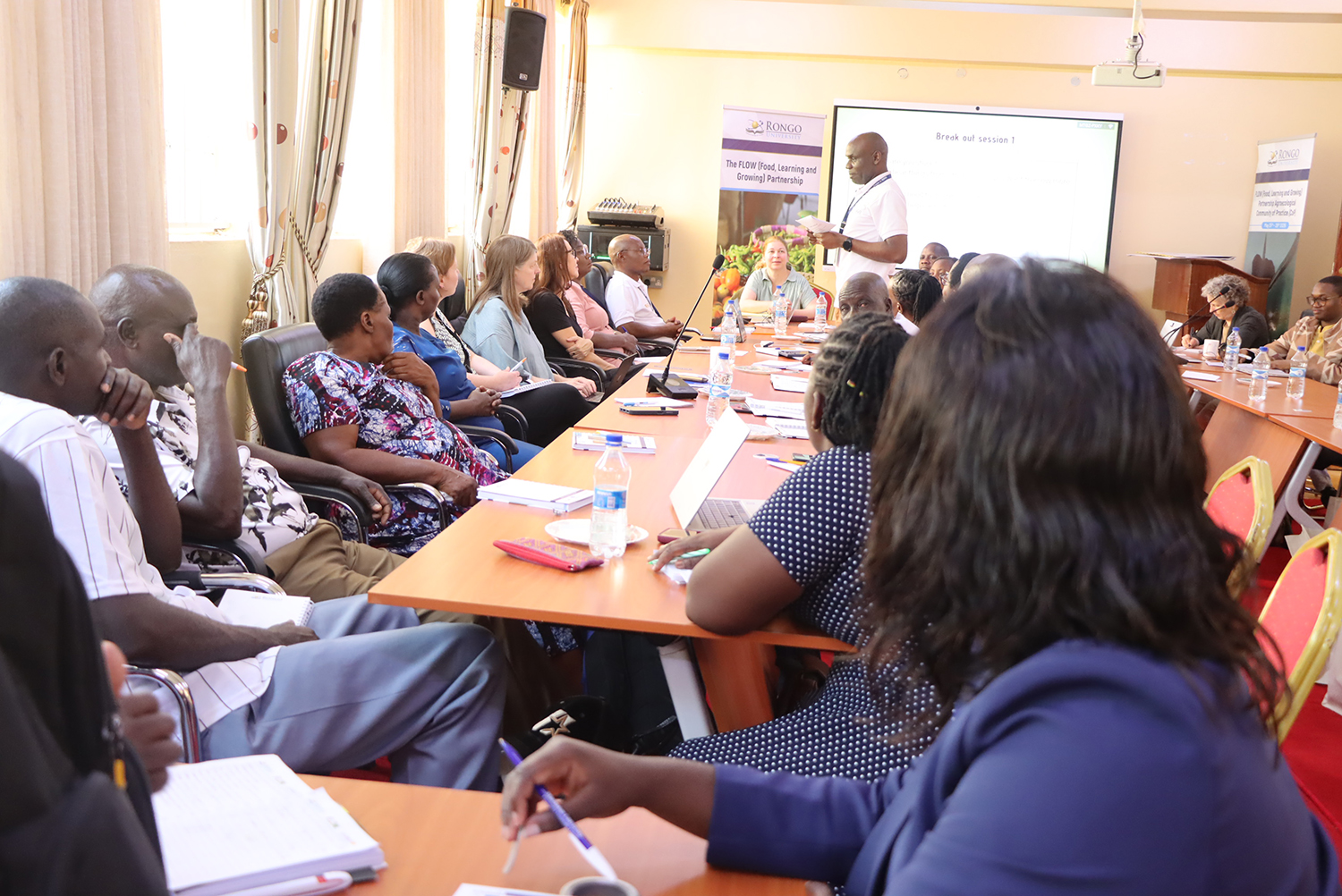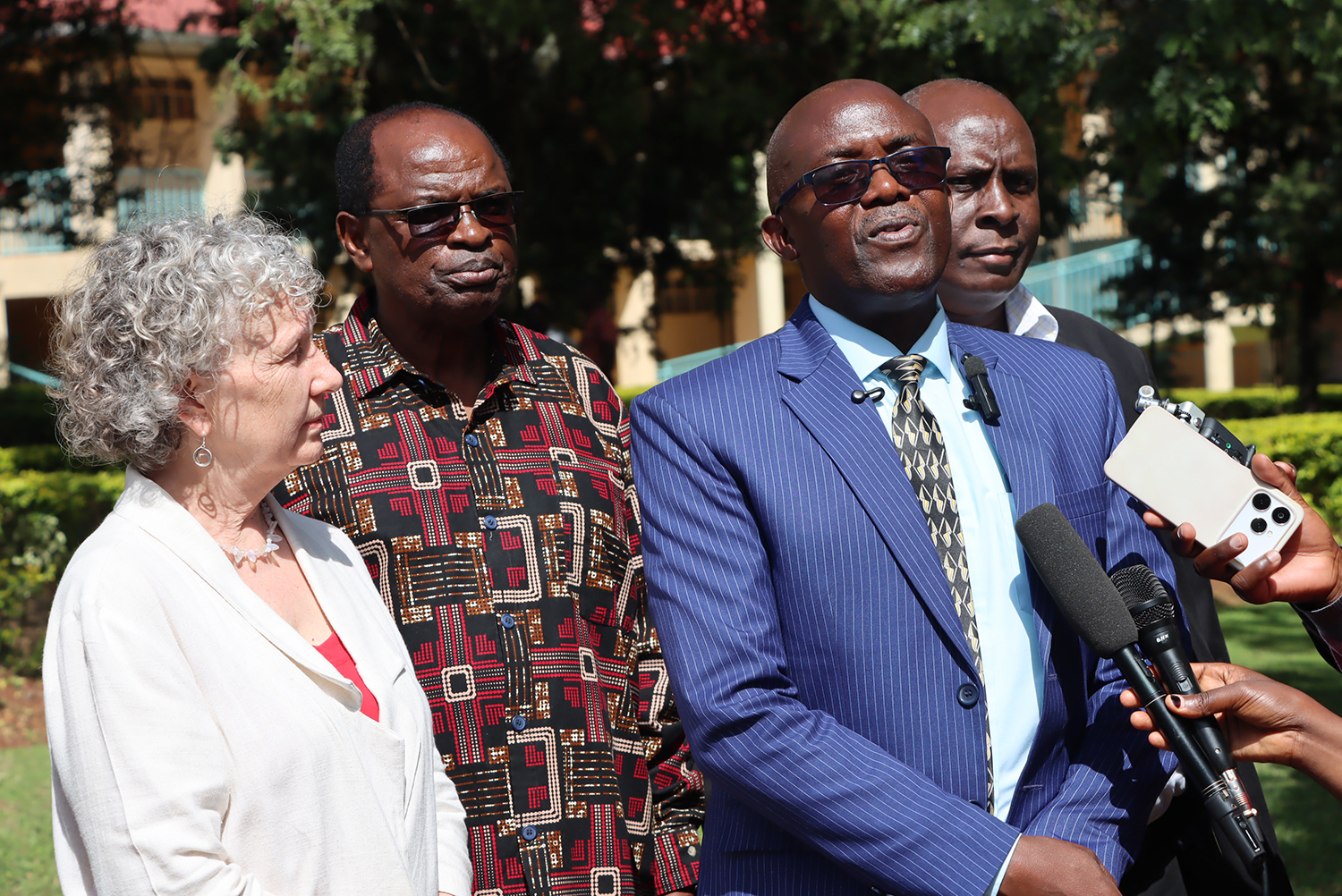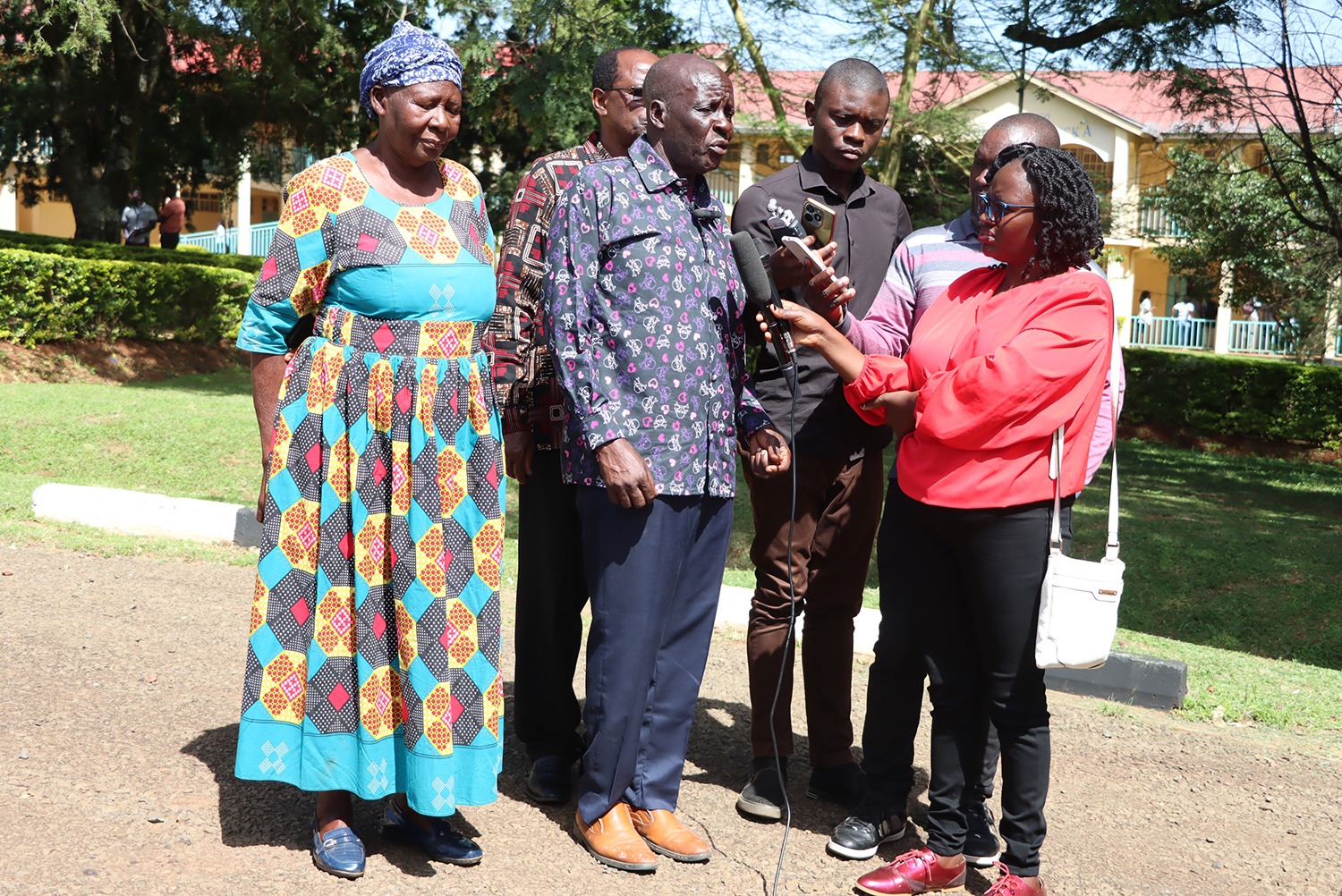
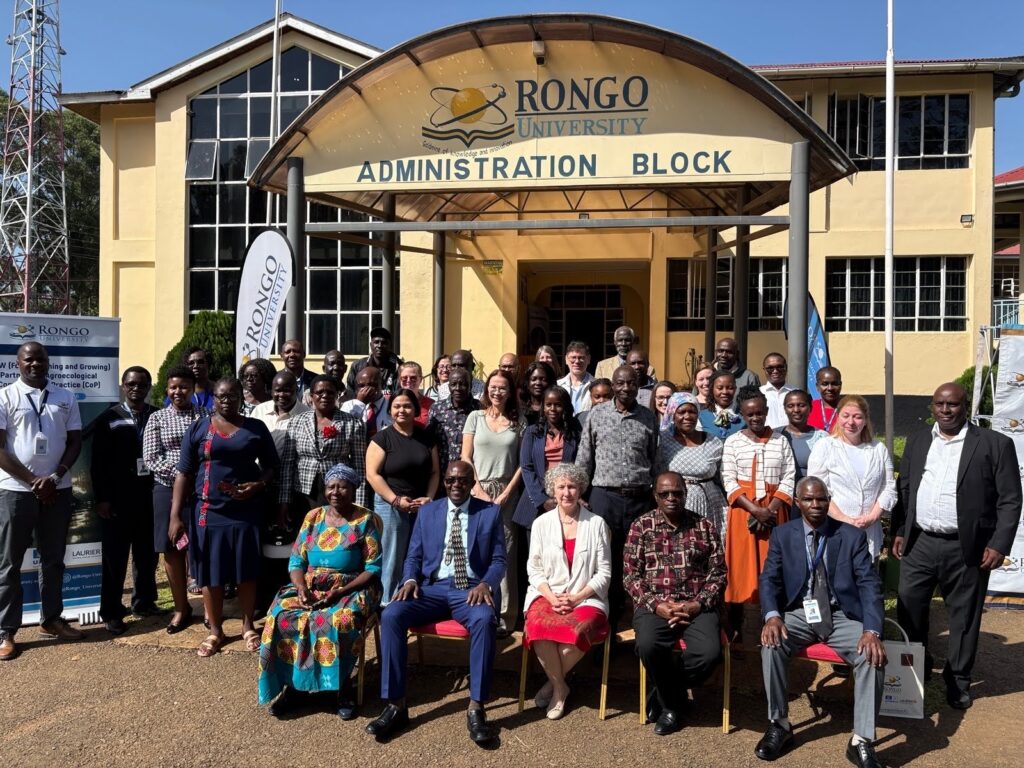
From May 25 to 29, 2026, FLOW partners met at Rongo University in Migori County, Kenya, to participate in a very generative series of meetings, presentations, and workshops focused on the theme of agroecology.
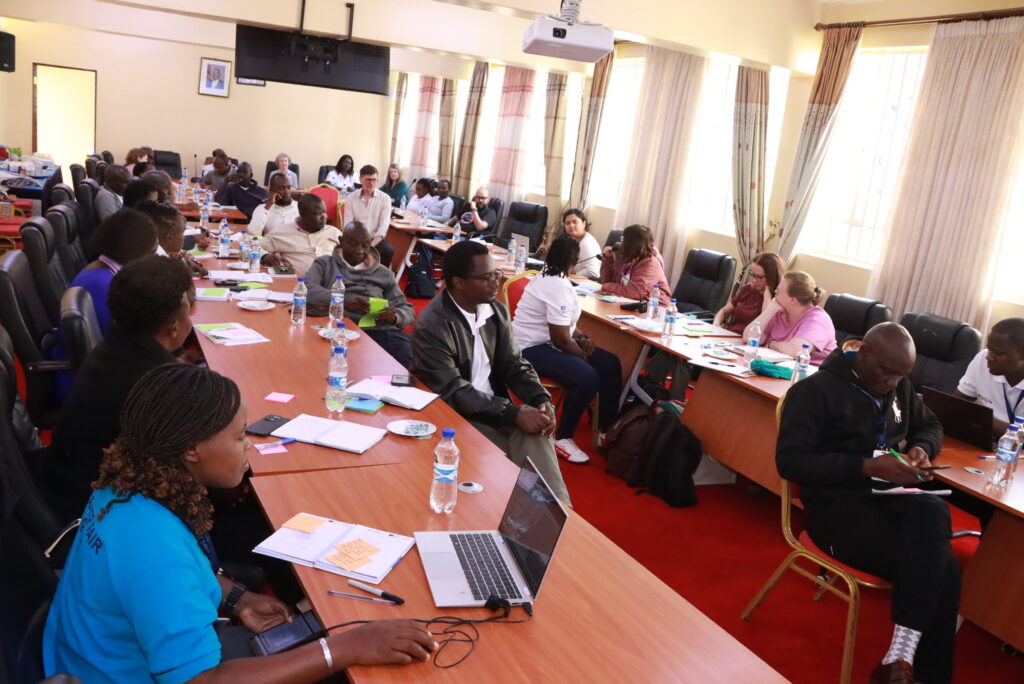
The group included 11 international members of the FLOW team from Brazil, Canada, Mexico, and Sri Lanka, as well as 8 faculty members and 3 graduate students from Rongo University. Also participating were 5 representatives of the Kenya National Commission for UNESCO (KNATCOM) and 13 farmers from the Migori sub-counties of Nyatike and Suna East, all of whom brought depth of experience and on-the-ground perspectives to the discussions. The meetings kicked off with addresses from 2 special guests: the Honorable Lucas Musenda, Migori County Executive Committee Member for Agriculture, Livestock, Fisheries, and Cooperative Development; and Professor Michael Ntabo, Deputy Vice-Chancellor of Rongo University.
The week’s events were hosted by Rongo University’s Vice-Chancellor, Dr. Samuel Gudu, and Dr. Stephen Oloo Ajwang, along with the entire Rongo team, who provided generous, welcoming hospitality and meeting coordination.
Throughout the week, numerous topics were discussed and developed, including:
- international challenges, opportunities, and success stories related to agroecological production
- the role of women and youth in agricultural transition, including land inheritance, traditional knowledge transfer and exchange, and skills acquisition
- the importance of communications—both formal and informal—in sharing good practices, building allyship and solidarity, and reaching new audiences
- tools and methods for measuring and valorizing the growth of agroecological food production
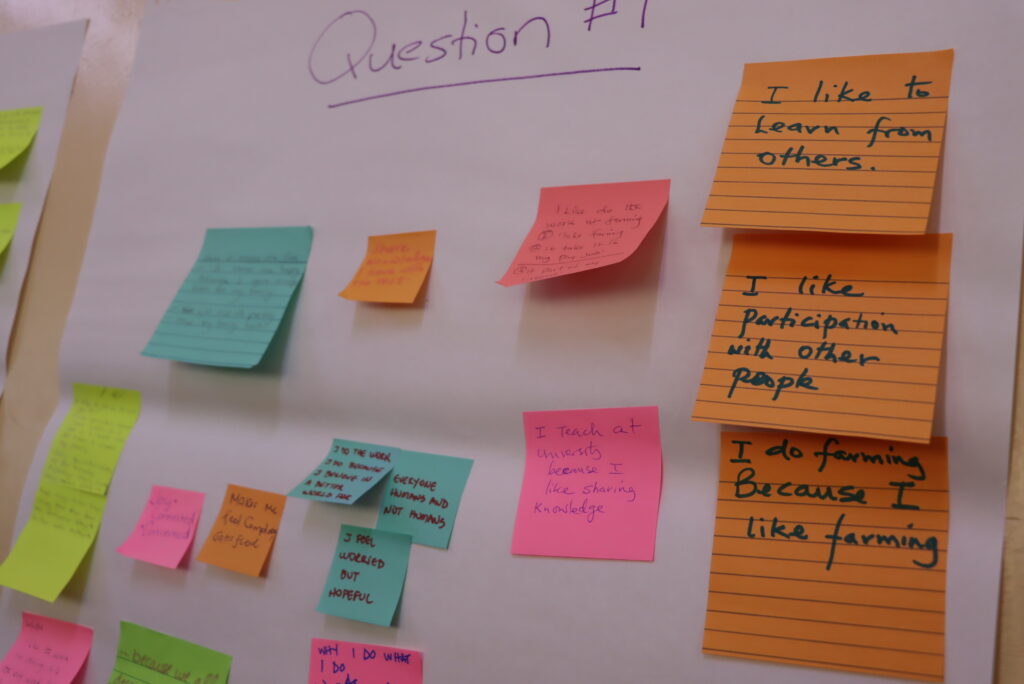
Setting an initial tone for the week were three exceptional presentations by Rongo University graduate students, John Wasonga, Andres Kathunzi, and Olga Awuor. Sharing inspiring stories of change derived from their own research and analysis, the three presenters covered women’s labour in farming, inclusivity of both women and youth in the communicative acts of food systems work, and the critical need for collaboration and collective voices in agriculture and science communications.
Principal investigator Dr. Alison Blay-Palmer and other members of the FLOW Partnership summarized some of this unforgettable experience along five axes, each exemplified by key moments from the week:
- Care was expressed in the deliberate organization of the events and the intentional dialogues between participants. The depth of these interactions was based on the strong connections that have been established between Rongo University and the farmers of the surrounding area, as well as the interest of the Migori County government in those academic-community partnerships.
- Convergence took shape between emerging data indicators, agroecological strategies, and stories of transformation to be passed between generations. While the challenge of engaging young people in agriculture was mentioned by several participants, the meeting also featured impressive contributions from youth, including students from Rongo University and interns from KNATCOM.
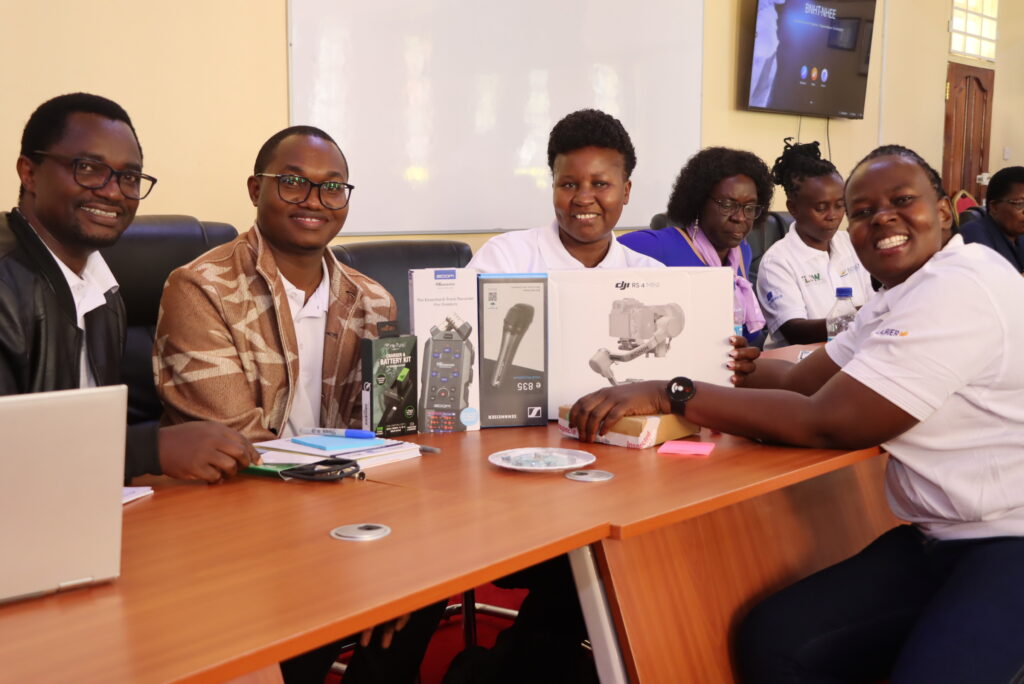
- Communication was shown through photography, FLOW design elements, podcasting projects, radio production, and interpersonal exchange. As these varied materials circulated, academics in the room were reminded about the importance of meaningfully returning research results to farmers and other community members, who are often the primary sources of data.
- Collaboration was enacted among researchers, farmers, and policymakers. Comprehensive and inspiringly progressive, Migori County’s emergent agroecology strategy holds potential to act as an example that other regions can use to build policies through multidirectional consultation with diverse contributors.
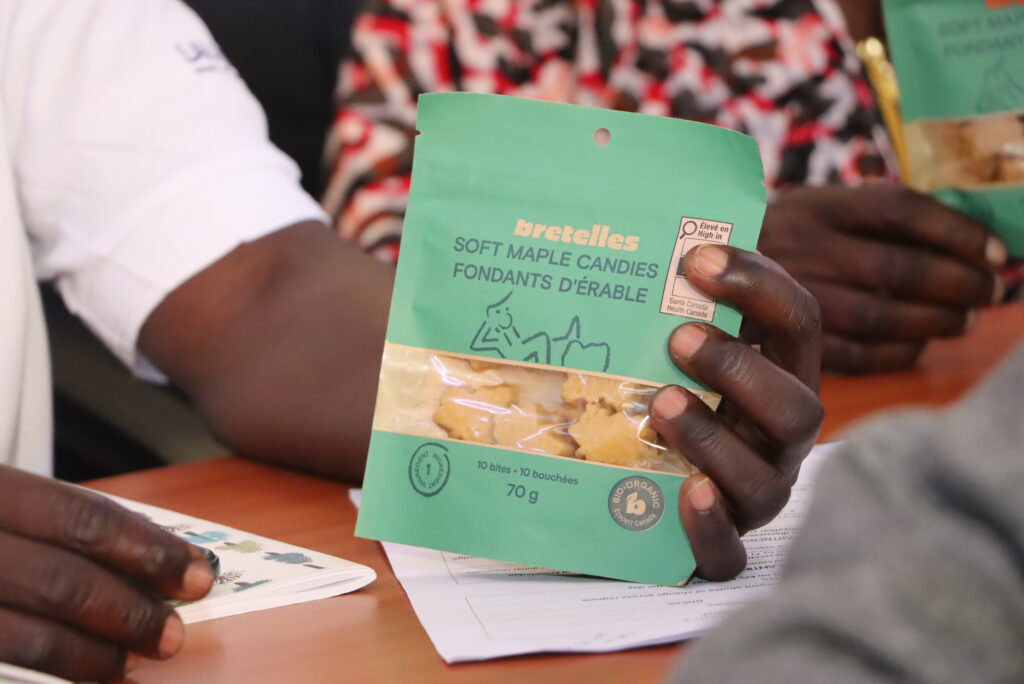
- Commensality was experienced as accomplishments were celebrated throughout the gathering with colleagues, new friends, and high-quality, local foods. Bringing both pleasure and a deep sense of integrity to the occasion, the time and attention that was reserved for eating together was an embodiment of the nourishing exchanges by which food systems research should be fuelled.
Overall, the experience in Kenya touched each participant in numerous ways, testament to the importance of spending time together not just online, but also in slow conversation and physical proximity. During such engagements, assumptions can be overturned and new understandings of what is ‘normal’ or ‘innovative’ emerge. Appropriately enough, at the reception dinner on the first night of the visitors’ time in Rongo, university faculty members greeted them with the words, “Welcome home.” It was a powerful reminder of the origins and trajectories of humanity and the long and evolutionary histories of farming.
See the coverage from Kenya’s national television broadcaster, NTV.
photos: Rongo University