Rural Youth on the Move: CEDErva and Itaipu sign agreement to implement a project in central-south Paraná for socio-environmental cooperation
The Center for the Development and Education of Traditional Erva-Mate Systems (CEDErva), in partnership with hydroelectric company Itaipu Binacional, has formalized a technical and financial cooperation agreement to implement the project “Water, Land, and Future: Rural Youth in Motion,” an initiative that seeks to strengthen youth participation in family farming, social organization, and agroecological production in Central-South Paraná.
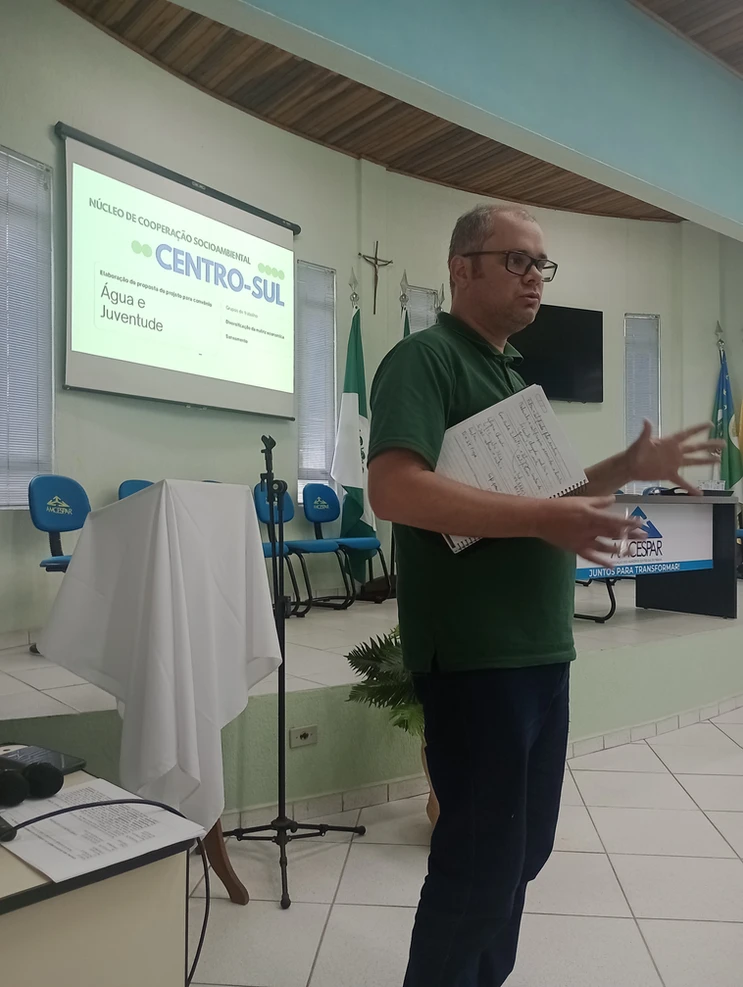
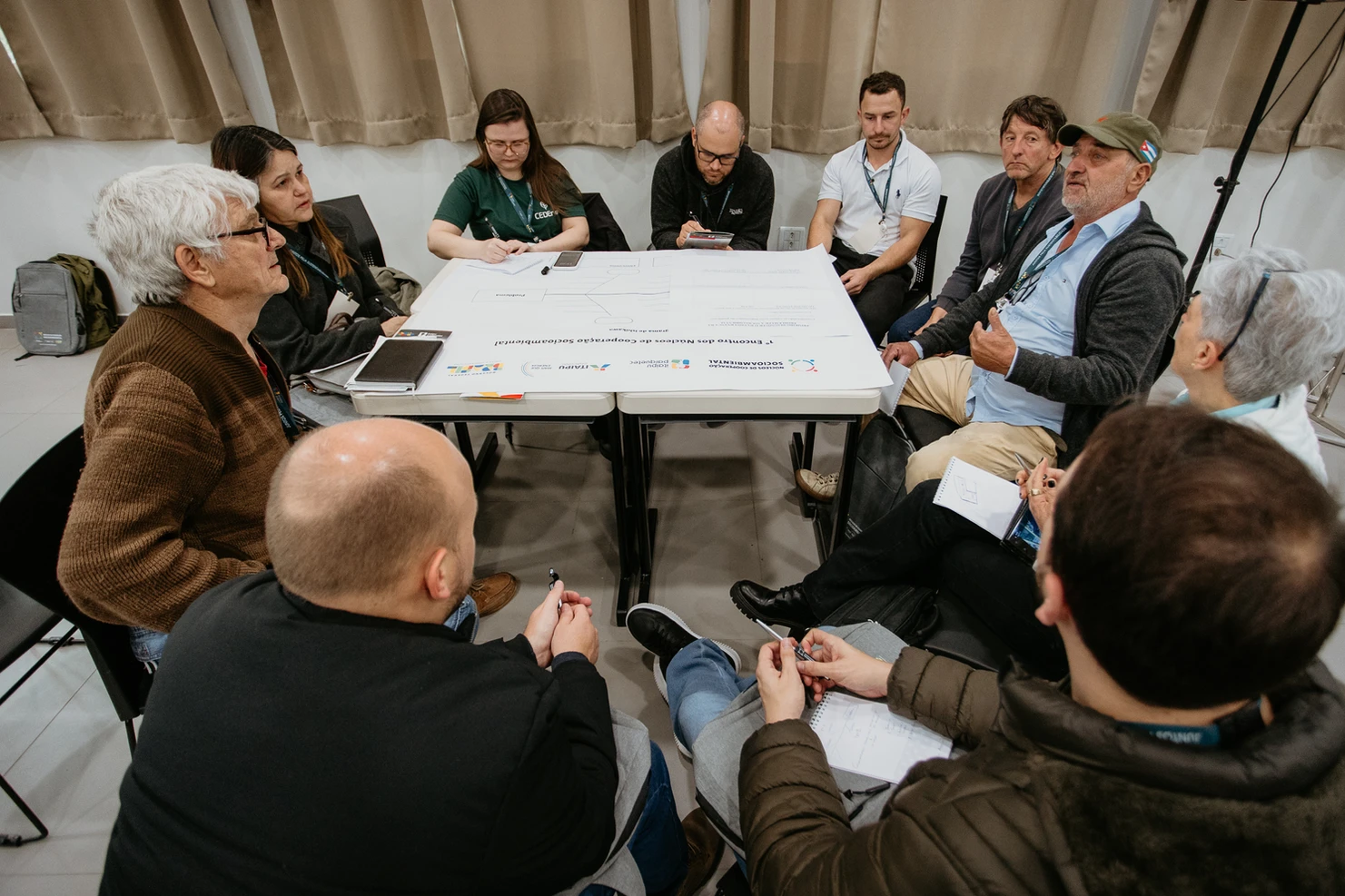
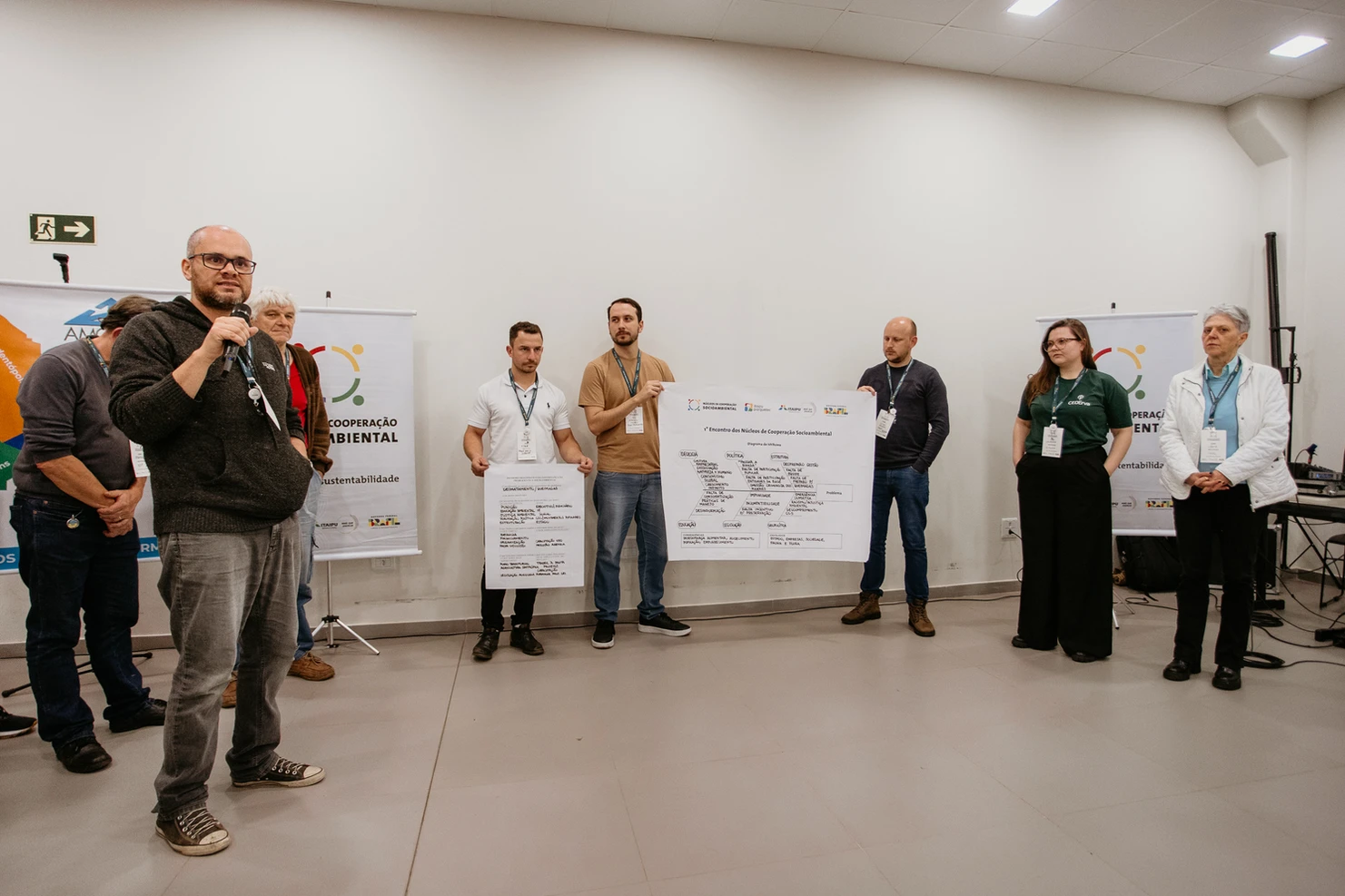
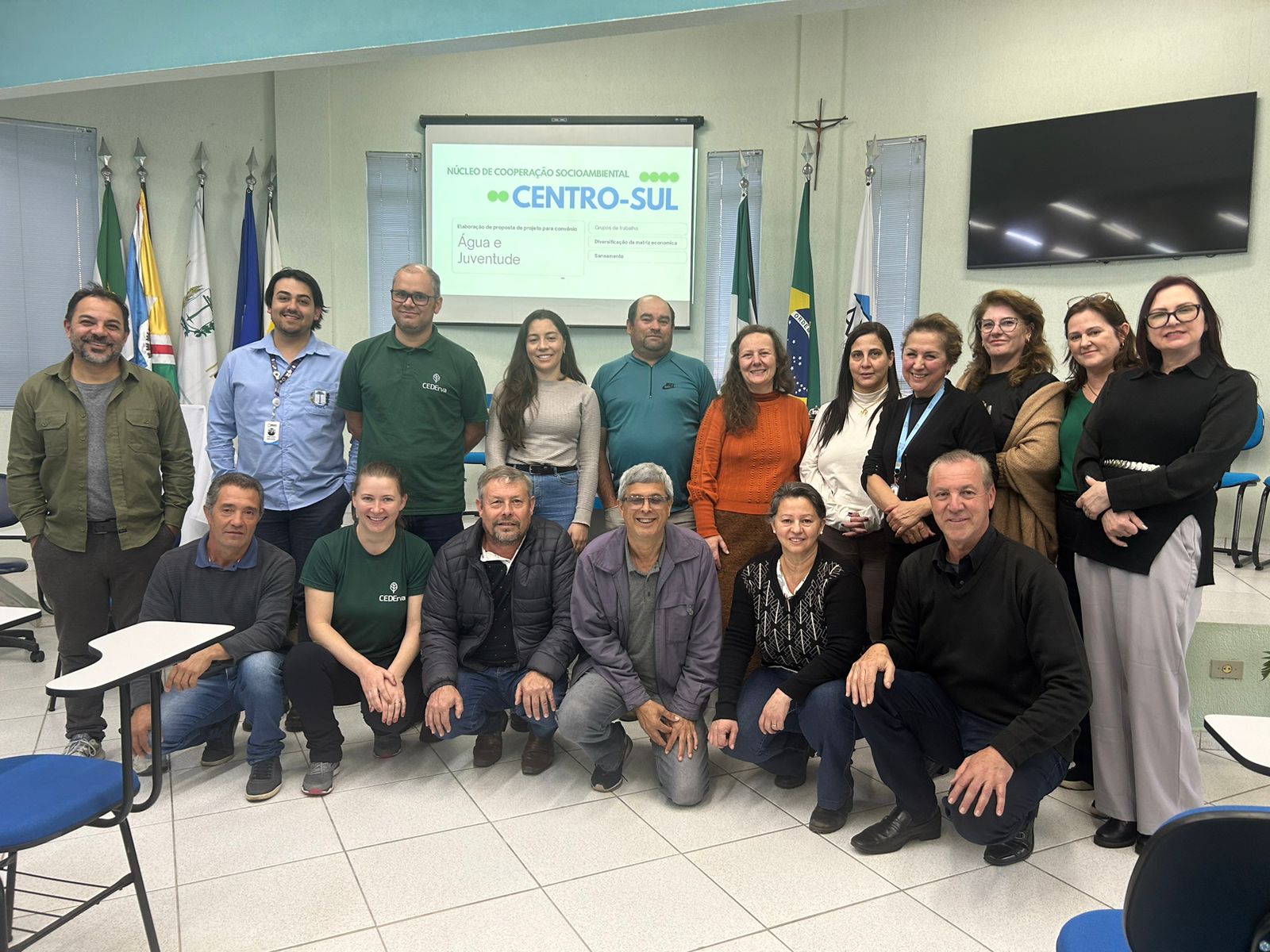
The project is the result of a collective effort carried out within the framework of the Central-South Paraná Socio-Environmental Cooperation Center (NCS), a forum that brings together civil society organizations, universities, associations, social movements, and public institutions to discuss priorities and strategies for territorial development.
Spanning 12 months, the initiative will benefit approximately 500 family farming households spread across 20 rural communities in the municipalities of Irati, Fernandes Pinheiro, Guamiranga, Imbituva, Inácio Martins, Mallet, Prudentópolis, Rebouças, Rio Azul, and Teixeira Soares.
In addition to activities focused on rural youth, the project includes training for small-scale farmers, workshops on the protection and restoration of springs, reforestation activities, and efforts to strengthen community organizations.
A Project Born from the Community
For Murilo Siqueira, a member of CEDErva, project manager, and FLOW student researcher, the initiative’s main distinguishing feature lies precisely in its collective and participatory origins. According to him, the project was not conceived in a centralized manner but was developed through discussions held at the Center for Socio-Environmental Cooperation. The participating institutions jointly identified the region’s challenges and potential, defining priorities and action strategies.
In addition to the expected concrete results, the project seeks to strengthen spaces for learning, dialogue, and social, political, and technical training in rural communities. “It’s a project that emerged from a space for debate and aims to strengthen not only people’s capacities but also spaces for learning, discussion, and political participation,” Murilo emphasizes.
One of the pillars of the initiative is building the capacities of the people living in the region. For Murilo, while investments in infrastructure are essential, it is also necessary to invest in the human and organizational strengthening of communities. “What sets this project apart is that it invests in building the capacities of the people living in the region. Not just in technical or managerial skills, but also in political capacity, dialogue, understanding collective needs, and building solutions to local challenges,” he explains.
The project is expected to empower rural youth and develop human and organizational capacities within communities, leaving a legacy of knowledge, participation, and social mobilization. It also seeks to foster new leadership and strengthen family farming, environmental conservation, and the continuity of traditional yerba mate systems in the region.